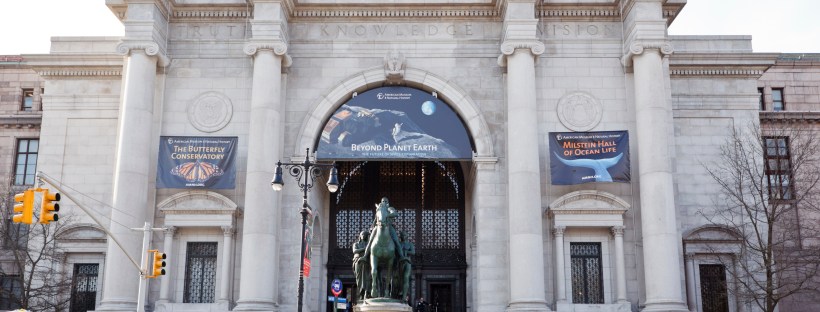
The American Museum of Natural History (AMNH) in New York has repatriated the remains of 124 Native American ancestors and 90 cultural items. Revised federal regulations that came into effect earlier this year motivated the AMNH to reconsider their collection, which contains the remains of around 12,000 individuals, approximately 25% of whom are of Native American descent.
Following strong criticism, a major overhaul of the 1990 Native American Graves Protection and Repatriation Act (NAGPRA) was made under Joe Biden’s administration in January 2024. The new laws intend to expedite the repatriation process of human remains and funerary objects, closing loopholes and removing some of the obstacles US museums have faced when returning objects.
Ancestral remains of three individuals from the Santa Ynez Band of Chumash Mission Indians of the Santa Ynez Reservation were amongst the repatriated AMNH group. They had been sold to the museum by one of the earliest curators in AMNH’s anthropology department, James Terry (1844-1912), in 1891 and the anthropologist Felix von Luschan (1854-1924) in 1924. Six funerary objects have also been identified for repatriation to the Delaware Nation in Oklahoma, Delaware Tribe of Indians, Shinnecock Indian Nation, and the Stockbridge Munsee Community in Wisconsin.
“As I’ve expressed before, the work before us will not be completed in a matter of months or even a few years,” AMNH president Sean Decatur wrote in an internal letter. “But, thanks to the efforts of many across the museum and outside advisors, we will continue to move forward on lasting and substantive changes to our policies, practices and approaches.”
New regulations have given museums five years to update their inventories of human remains and funerary objects and improve transparency around these collections. Museums are now required to obtain consent from Native American tribes and nations before they can display artefacts or conduct research on them. This has caused many US museums to remove objects from their displays, cover them, or close entire galleries like the AMNH’s Eastern Woodlands and the Great Plains galleries.
“This is not a prohibition against research or exhibits—quite the opposite,” explained Shannon O’Loughlin, head of the Association on American Indian Affairs. “Just speak with any institution that has followed NAGPRA’s requirements and repatriated. They have built long-lasting relationships with those Native Nations and have developed strong exhibitions and research based on that consultation and collaboration, which includes the expertise and knowledge of Native Nations that science has ignored.”
AMNH has consulted around 50 stakeholders, received seven Indigenous delegations, and completed eight repatriations so far this year. The museum will launch several new public initiatives too, such as an exhibit outside the Hall of Eastern Woodlands explaining why the display is closed off. Organized by curator David Hurst Thomas and an outside Indigenous adviser provide, the exhibit will contextualise the “changes in how the Museum approaches cultural storytelling.” The education department is also developing a new field trip for students and teachers to learn about New York’s Indigenous communities.
Despite these improvements, Indigenous communities are still waiting to reclaim thousands more objects from the museum. Joe Baker, a member of the Delaware Tribe of Indians, said “the collections, they’re part of our story, part of our family. We need them home. We need them close.”
 Art Law & More