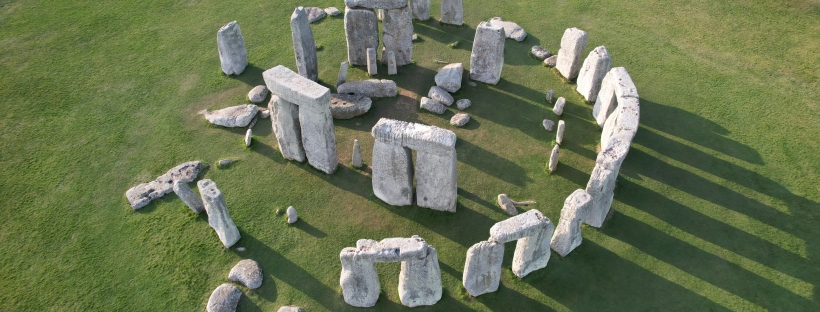
UNESCO has reiterated its request for the UK government “not to proceed” with a controversial redevelopment of Stonhenge in Wiltshire. The recently approved scheme will build a dual-carriageway tunnel close to the prehistoric monument, which was constructed between 3000 BC and 2000 BC.
The work involves rerouting two miles of the A303 road closer to the site by burrowing beneath the ritual landscape and transforming the existing road into a public walkway. In July, transport secretary Mark Harper approved the £1.7 billion project that is to be overseen by National Highways.
David Bullock, National Highways’ project manager for the A303 Stonehenge scheme, said “we remain confident this scheme is the best solution for tackling a long-standing traffic bottleneck, improving journeys, bringing much-needed relief to local communities, boosting the economy in the south-west, while returning the Stonehenge landscape to something like its original setting.”
However, in 2020 archaeologists discovered an unprecedented series of underground shafts dug by Neolithic peoples 2 miles north-east of Stonehenge. Co-principal investigator of the Stonehenge Hidden Landscape project Vincent Gaffney said the construction would be an “act of monstrous vandalism.”
This month, UNESCO declared that the scheme “would have significant and inappropriate adverse impacts on the physical and visual integrity of the property.” 21 members of the UN cultural body countersigned a report that condemned the project. The report urged the government to make amendments to the plan. It proposed that the section of road between Amesbury and Berwick Down remain in its “current form” whilst the existing underground tunnel be extended instead. UNESCO have given the UK government until 1 February 2024 to make the changes.
This follows a previous request issued by Unesco in 2020 to alter the road’s location, which was supported by the government’s Examining Authority who initially rejected the plan. In 2021, the High Court quashed the ruling.
Leading members of The Stonehenge Alliance and Save Stonehenge World Heritage Site also organised a petition against the scheme, which garnered 225,000 signatures from 147 countries. “Stonehenge could lose its World Heritage Site status if this road scheme goes ahead unaltered. This would be an international embarrassment for the U.K,” remarked Chris Todd, director of Transport Action Network (TAN) and member of the Stonehenge Alliance. He added “only three World Heritage Sites have ever been delisted since the signing of the World Heritage Convention in 1972. The most recent was Liverpool in 2021, which also happened under this Government’s watch. To lose one WHS is bad enough, but to lose two would show a failure of leadership and responsibility for both humanity and future generations.”
 Art Law & More